
What Person-Centred Care Really Means
What Person-Centred Care Really Means
What Person-Centred Care Really Means

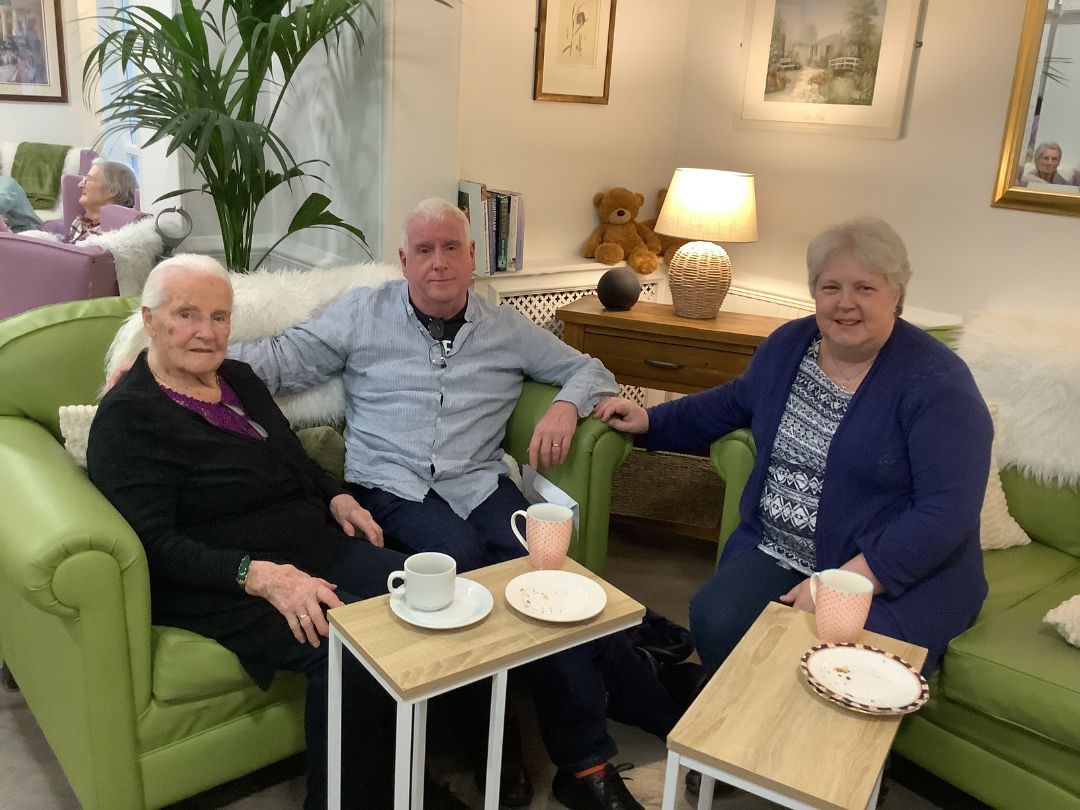
Choosing the right care home is a big decision. You want more than support with everyday needs. You want a place where your loved one feels safe, respected, and truly at home.
At Orchard House, care is shaped around the person. That means looking beyond a diagnosis or care need and taking time to understand routines, preferences, goals, and what helps someone feel comfortable each day. The aim is not simply to provide a place to stay, but to create a home where people can feel valued, supported, and as independent as possible.
A Home That Feels Personal
Good care should never feel one-size-fits-all.
At Orchard House, residents are encouraged to be involved in decisions about their support and daily life. That can include choices around meals, activities, and routines, with families or advocates also involved where needed. This person-centred approach helps make care feel more respectful, more personal, and more reassuring for everyone involved.
Support That Matches Different Needs
Every resident’s journey is different. That is why care needs to be flexible.
The care services described across the Sutton homes include residential care, nursing care, respite care, dementia care, end-of-life care, and support for people with learning disabilities, autism, brain injuries, physical disabilities, and complex needs. The focus is on providing tailored support that responds to both day-to-day wellbeing and more specialist care needs.
Nursing Care With a Personal Touch
For some people, support with daily living is not enough on its own. They may also need professional nursing care.
The published services content explains that nursing care includes closer health support, medication management, and help with more complex physical or neurological needs. It highlights that care plans are developed before admission and tailored around each resident’s health needs, preferences, likes, and dislikes. This helps make sure support feels both clinically appropriate and deeply personal.
Respite Care That Gives Everyone Peace of Mind
Sometimes care is needed for a short time, not forever.
Respite care can be a valuable option after a hospital stay, during recovery, or when a regular carer needs a break. The Orchard House / Sutton services content describes respite care as short-term support in a safe, homely environment, where trained staff help with daily living, medication, and routines. For families, this offers reassurance. For the person receiving care, it can offer continuity, social interaction, and professional support when it is most needed.
Dementia Care That Respects the Individual
Living with dementia can change everyday life in many ways. It can also place emotional strain on families.
The services content highlights the importance of a safe environment, meaningful daily moments, and support that recognises each person’s individual abilities and lifestyle preferences. The aim is not only to keep residents comfortable, but to help them experience joy, dignity, and connection throughout the day.
End-of-Life Care With Compassion and Dignity
One of the most important parts of care is knowing someone will be treated with comfort, sensitivity, and respect at the most delicate time of life.
The Sutton services content describes a holistic approach to palliative and end-of-life care, with a focus on pain and symptom management, individual wishes, and support for loved ones as well as residents. It also notes collaboration with specialist nurses, community professionals, and hospice support where needed. That kind of joined-up care can make a difficult time feel more supported and more humane.
Everyday Life Still Matters
Care is not only about health needs. It is also about how life feels.
The services and lifestyle sections emphasise activities, social engagement, access to equipment and support, and opportunities to stay connected to the local community. Whether that means trying something new, enjoying familiar routines, or simply having a say in daily choices, the goal is to support wellbeing in a fuller, more human way.
Confidence in Quality
Trust matters when choosing a care home.
Orchard House states that it has maintained a Good CQC rating since 2018, with its most recent CQC review in 2023. The site also outlines the five areas CQC assesses: safe, effective, caring, responsive, and well-led. For families, these independent standards can offer an added layer of confidence during the decision-making process.
Final Thoughts
Choosing care can feel overwhelming at first. But the right home can bring clarity, comfort, and peace of mind.
At Orchard House, the message is clear: care should feel personal, respectful, and supportive of the whole person. From short-term respite to more complex long-term support, the aim is to provide a home where residents can feel safe, involved, and genuinely cared for.
Choosing the right care home is a big decision. You want more than support with everyday needs. You want a place where your loved one feels safe, respected, and truly at home.
At Orchard House, care is shaped around the person. That means looking beyond a diagnosis or care need and taking time to understand routines, preferences, goals, and what helps someone feel comfortable each day. The aim is not simply to provide a place to stay, but to create a home where people can feel valued, supported, and as independent as possible.
A Home That Feels Personal
Good care should never feel one-size-fits-all.
At Orchard House, residents are encouraged to be involved in decisions about their support and daily life. That can include choices around meals, activities, and routines, with families or advocates also involved where needed. This person-centred approach helps make care feel more respectful, more personal, and more reassuring for everyone involved.
Support That Matches Different Needs
Every resident’s journey is different. That is why care needs to be flexible.
The care services described across the Sutton homes include residential care, nursing care, respite care, dementia care, end-of-life care, and support for people with learning disabilities, autism, brain injuries, physical disabilities, and complex needs. The focus is on providing tailored support that responds to both day-to-day wellbeing and more specialist care needs.
Nursing Care With a Personal Touch
For some people, support with daily living is not enough on its own. They may also need professional nursing care.
The published services content explains that nursing care includes closer health support, medication management, and help with more complex physical or neurological needs. It highlights that care plans are developed before admission and tailored around each resident’s health needs, preferences, likes, and dislikes. This helps make sure support feels both clinically appropriate and deeply personal.
Respite Care That Gives Everyone Peace of Mind
Sometimes care is needed for a short time, not forever.
Respite care can be a valuable option after a hospital stay, during recovery, or when a regular carer needs a break. The Orchard House / Sutton services content describes respite care as short-term support in a safe, homely environment, where trained staff help with daily living, medication, and routines. For families, this offers reassurance. For the person receiving care, it can offer continuity, social interaction, and professional support when it is most needed.
Dementia Care That Respects the Individual
Living with dementia can change everyday life in many ways. It can also place emotional strain on families.
The services content highlights the importance of a safe environment, meaningful daily moments, and support that recognises each person’s individual abilities and lifestyle preferences. The aim is not only to keep residents comfortable, but to help them experience joy, dignity, and connection throughout the day.
End-of-Life Care With Compassion and Dignity
One of the most important parts of care is knowing someone will be treated with comfort, sensitivity, and respect at the most delicate time of life.
The Sutton services content describes a holistic approach to palliative and end-of-life care, with a focus on pain and symptom management, individual wishes, and support for loved ones as well as residents. It also notes collaboration with specialist nurses, community professionals, and hospice support where needed. That kind of joined-up care can make a difficult time feel more supported and more humane.
Everyday Life Still Matters
Care is not only about health needs. It is also about how life feels.
The services and lifestyle sections emphasise activities, social engagement, access to equipment and support, and opportunities to stay connected to the local community. Whether that means trying something new, enjoying familiar routines, or simply having a say in daily choices, the goal is to support wellbeing in a fuller, more human way.
Confidence in Quality
Trust matters when choosing a care home.
Orchard House states that it has maintained a Good CQC rating since 2018, with its most recent CQC review in 2023. The site also outlines the five areas CQC assesses: safe, effective, caring, responsive, and well-led. For families, these independent standards can offer an added layer of confidence during the decision-making process.
Final Thoughts
Choosing care can feel overwhelming at first. But the right home can bring clarity, comfort, and peace of mind.
At Orchard House, the message is clear: care should feel personal, respectful, and supportive of the whole person. From short-term respite to more complex long-term support, the aim is to provide a home where residents can feel safe, involved, and genuinely cared for.
Choosing the right care home is a big decision. You want more than support with everyday needs. You want a place where your loved one feels safe, respected, and truly at home.
At Orchard House, care is shaped around the person. That means looking beyond a diagnosis or care need and taking time to understand routines, preferences, goals, and what helps someone feel comfortable each day. The aim is not simply to provide a place to stay, but to create a home where people can feel valued, supported, and as independent as possible.
A Home That Feels Personal
Good care should never feel one-size-fits-all.
At Orchard House, residents are encouraged to be involved in decisions about their support and daily life. That can include choices around meals, activities, and routines, with families or advocates also involved where needed. This person-centred approach helps make care feel more respectful, more personal, and more reassuring for everyone involved.
Support That Matches Different Needs
Every resident’s journey is different. That is why care needs to be flexible.
The care services described across the Sutton homes include residential care, nursing care, respite care, dementia care, end-of-life care, and support for people with learning disabilities, autism, brain injuries, physical disabilities, and complex needs. The focus is on providing tailored support that responds to both day-to-day wellbeing and more specialist care needs.
Nursing Care With a Personal Touch
For some people, support with daily living is not enough on its own. They may also need professional nursing care.
The published services content explains that nursing care includes closer health support, medication management, and help with more complex physical or neurological needs. It highlights that care plans are developed before admission and tailored around each resident’s health needs, preferences, likes, and dislikes. This helps make sure support feels both clinically appropriate and deeply personal.
Respite Care That Gives Everyone Peace of Mind
Sometimes care is needed for a short time, not forever.
Respite care can be a valuable option after a hospital stay, during recovery, or when a regular carer needs a break. The Orchard House / Sutton services content describes respite care as short-term support in a safe, homely environment, where trained staff help with daily living, medication, and routines. For families, this offers reassurance. For the person receiving care, it can offer continuity, social interaction, and professional support when it is most needed.
Dementia Care That Respects the Individual
Living with dementia can change everyday life in many ways. It can also place emotional strain on families.
The services content highlights the importance of a safe environment, meaningful daily moments, and support that recognises each person’s individual abilities and lifestyle preferences. The aim is not only to keep residents comfortable, but to help them experience joy, dignity, and connection throughout the day.
End-of-Life Care With Compassion and Dignity
One of the most important parts of care is knowing someone will be treated with comfort, sensitivity, and respect at the most delicate time of life.
The Sutton services content describes a holistic approach to palliative and end-of-life care, with a focus on pain and symptom management, individual wishes, and support for loved ones as well as residents. It also notes collaboration with specialist nurses, community professionals, and hospice support where needed. That kind of joined-up care can make a difficult time feel more supported and more humane.
Everyday Life Still Matters
Care is not only about health needs. It is also about how life feels.
The services and lifestyle sections emphasise activities, social engagement, access to equipment and support, and opportunities to stay connected to the local community. Whether that means trying something new, enjoying familiar routines, or simply having a say in daily choices, the goal is to support wellbeing in a fuller, more human way.
Confidence in Quality
Trust matters when choosing a care home.
Orchard House states that it has maintained a Good CQC rating since 2018, with its most recent CQC review in 2023. The site also outlines the five areas CQC assesses: safe, effective, caring, responsive, and well-led. For families, these independent standards can offer an added layer of confidence during the decision-making process.
Final Thoughts
Choosing care can feel overwhelming at first. But the right home can bring clarity, comfort, and peace of mind.
At Orchard House, the message is clear: care should feel personal, respectful, and supportive of the whole person. From short-term respite to more complex long-term support, the aim is to provide a home where residents can feel safe, involved, and genuinely cared for.
Other Blogs
Other Blogs
Other Blogs

May 27, 2024
May 27, 2024
May 27, 2024
May 8, 2024
May 8, 2024
May 8, 2024